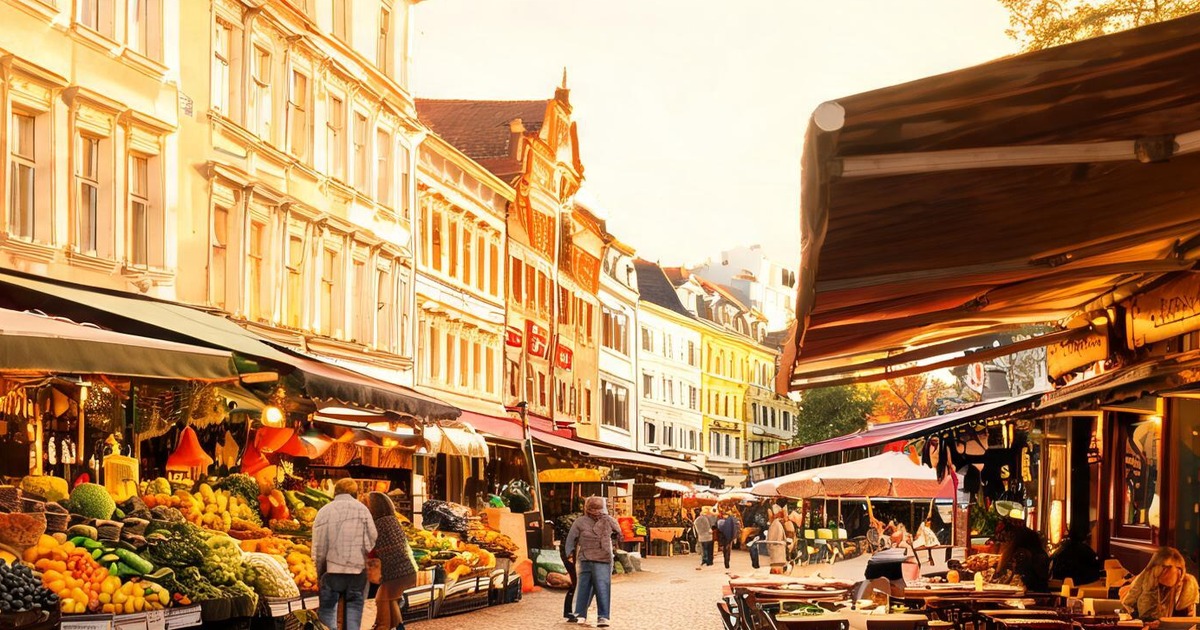
Wiener Schnitzel in Austria — Only Regional: What the 2026 Survey Revealed Wiener Schnitzel is Austria’s No.1 dish — 83.8% say so in 2026. Why the survey demands regional Wiener Schnitzel and why only 1 in 5 veal schnitzels is actually Austrian. Topics: Daily Life, Food & Shopping, Leisure & Culture.
Wiener Schnitzel remains the undisputed king of Austrian cuisine — but only if it is regional. According to a fresh survey by PENNY and marketagent in July 2026, 83.8% of Austrians named Wiener Schnitzel the most typical meat dish in the country. At the same time consumers are loud and clear: meat, breadcrumbs and even the side dish should come from Austria. In this guide you will learn what the survey really showed, why only one in five veal schnitzels in restaurants is actually Austrian, how Wiener Schnitzel differs from Schnitzel Wiener Art, where to find an honest regional schnitzel and how to cook it at home the Austrian way.
What the 2026 survey says about Wiener Schnitzel
Wiener Schnitzel is still the number-one meat dish for Austrians — that is the result of a PENNY/marketagent poll of 1,000 people in July 2026. As oe24.at reporting the PENNY/marketagent survey notes, 83.8% of respondents called schnitzel the most typical Austrian dish. Far behind are Schweinsbraten (roast pork) at 54.7%, Tafelspitz (boiled beef) at 35.6% and Backhendl (fried chicken) at 33.9%.
The survey also clarified the second message: schnitzel — please only regional. As the analysis on fleischundco.at — the same PENNY survey shows, 92.4% of respondents consider the most complete use of the animal (Nose-to-Tail) important, and 57.3% call it very important. Consumers connect Regionalität (regional origin) not only with meat origin but with transparency from farm to plate.
There is a gender gap too: 11.7% of women say they eat no meat at all, versus 4.1% of men. Men more often name Filet (tenderloin) as their favourite cut. For expats this matters: ordering schnitzel in an Austrian Gasthaus (traditional inn) is not just food — it is a cultural code everyone at the table reads.
Why Austrians demand a regional Wiener Schnitzel
The demand for a regional Wiener Schnitzel comes down to three things — trust, taste and supporting locals. First, after years of inflation and import scandals consumers want to know where the meat comes from. Second, regional products deliver the flavour they grew up with — Kalbfleisch (veal) from the Alps, Semmelbrösel (breadcrumbs) from an Austrian bakery and Butterschmalz (clarified butter) instead of cheap deep-fry oil.
Second, regionality is economics. Every regional schnitzel creates Wertschöpfung (value creation) for Austrian Bäuerinnen und Bauern (farmers). As medianet.at — AMA on Schnitzel Day quotes AMA-Marketing, choosing regional meat and breading supports local farms directly.
Third, it is about sustainability. Short transport means less CO₂, and Austrian animal-welfare standards are stricter than cheap imports. The same survey shows that advice from the butcher is valued again — shoppers want to know which cut is for what and how to use the whole animal, not just the expensive schnitzel. This links to the wider debate on food delivery costs in Austria and how drought is changing food in Austria.
How many schnitzels are really Austrian — only one in five
The paradox of Wiener Schnitzel is that it is seen as the most Austrian dish, yet often made from imported meat. According to medianet.at — AMA-Marketing, in Außer-Haus-Verzehr (out-of-home dining — restaurants, canteens) only one in five veal schnitzels is made from Austrian Kalbfleisch. The other 80% is imported, mostly from the Netherlands, Germany and Poland.
Market figures confirm the dining trend. Between July 2025 and June 2026 sales of Rind- und Kalbfleisch (beef and veal) fell in retail due to prices, but rose by +1.7% in Gastronomiegroßhandel (wholesale for restaurants). Pork in gastro wholesale rose +4.1% versus +1% in retail, and chicken (Hühnerfleisch) grew across all channels — it is also widely used for schnitzel.
For you as a guest this means: Wiener Schnitzel on the menu does not guarantee Austrian origin. Only the AMA-Gütesiegel or AMA GENUSS REGION label and an explicit “aus österreichischem Kalbfleisch” give certainty. If it is missing — ask your server: “Stammt das Kalbfleisch aus Österreich?” (Is the veal from Austria?). A good Wirtshaus (tavern) will answer honestly.
What a real Wiener Schnitzel is under Austrian law
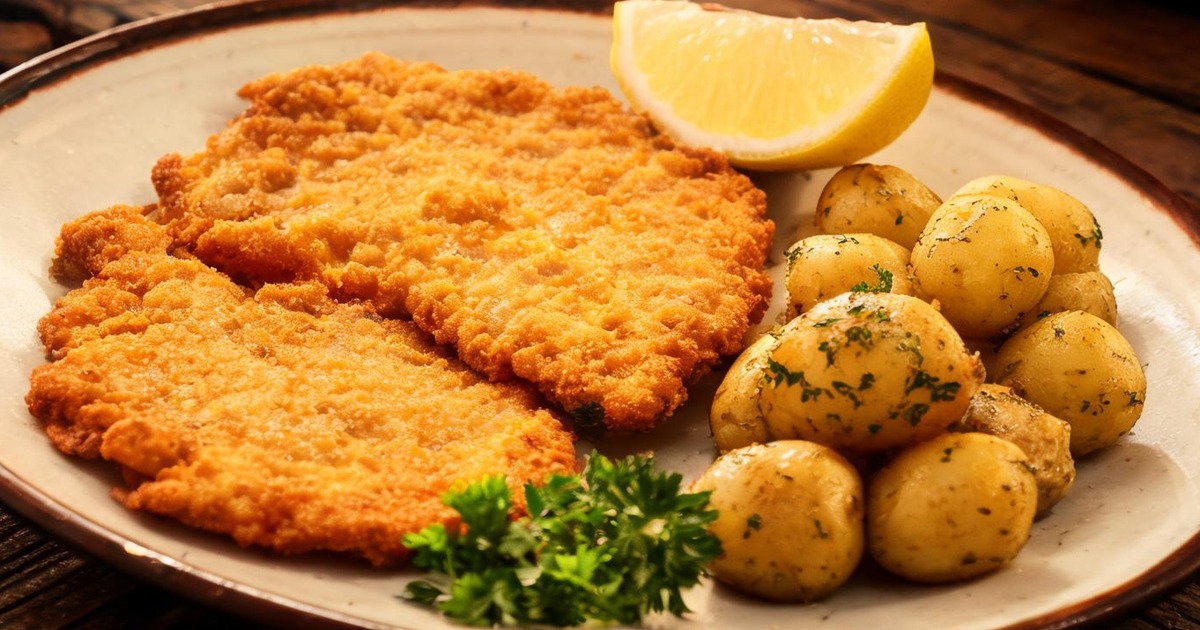
A real Wiener Schnitzel is a strictly defined product, not any fried cutlet. According to BML — Wiener Schnitzel as Traditional Food No.169, it is a Kalbsschlögel (veal leg) coated in flour, beaten egg and Semmelbrösel, fried in Schweineschmalz (lard) until golden and served with a lemon wedge.
The Austrian Lebensmittelbuch (Food Code), chapter B 14 “Fleisch und Fleischerzeugnisse”, defines it as a “breaded and fried Kalbsschnitzel”. The term Wiener Schnitzel is protected by law in Austria and Germany — only veal may be called that. Everything else must be called Schnitzel Wiener Art (Viennese style) or Wiener Schnitzel vom Schwein/Huhn.
History confirms the strictness. As Wien Geschichte Wiki — Wiener Schnitzel notes, the term appears as early as 1831 in Maria Anna Neudecker’s cookbook, and the diary of 12-year-old Archduke Ferdinand Max on 26 September 1844 mentions “Schnitzel mit Erdäpfeln” (schnitzel with potatoes) in Lambach — long before the legend of Field Marshal Radetzky and the Milanese cutlet. It is one of the oldest dishes of Wiener Küche (Viennese cuisine).
Wiener Schnitzel vs Schnitzel Wiener Art — the difference
The difference between Wiener Schnitzel and Schnitzel Wiener Art is not a formality — it is about price, taste and honesty. Wiener Schnitzel is always Kalbfleisch (veal), pounded thin to 2–4 mm, the breading must soufflieren (puff up like a wave) when fried in hot fat while gently swirling the pan — Pfanne schwenken. It is served with Erdäpfelsalat (potato salad) or Petersilerdäpfel (parsley potatoes) and lemon, without sauce.
Schnitzel Wiener Art uses the same method but with Schweinefleisch (pork), Hühnerfleisch (chicken) or Pute (turkey). As wien.info — Wiener Schnitzel recipe stresses, real schnitzels are fried in a Pfanne (pan) in Butterschmalz with some vegetable oil, not in a deep fryer, using very finely grated Semmelbrösel.
The label matters for your wallet. Kalbsschnitzel costs 2–3 times more than pork. In the TUI Schnitzel Ranking 2026 the average bill for veal schnitzel in Vienna’s top restaurants exceeded 30 euros, while pork was 13–16 euros. If the menu just says “Schnitzel” without detail — in Austria that defaults to pork. Ask to be sure you are not paying for veal expectations.
Where to find a regional Wiener Schnitzel in Austria
Look for labels and tradition to find a truly regional Wiener Schnitzel. The best guide is the AMA GENUSS REGION and AMA-Gütesiegel seal on the menu and door. Figlmüller on Bäckerstraße in Vienna, leader of the TUI Schnitzel Ranking 2026 with 84.68 points, explicitly states meat origin and uses Austrian breadcrumbs.
In the regions, check winners of Falstaff Schnitzel Voting 2025: Grubers Restaurant in Angerberg (Tyrol) and Der Löwen in Bludenz (Vorarlberg) — both honoured for strict Kalbfleisch from Austria. In Graz — Glöckl Bräu (77.64 points in TUI), in Salzburg — Zwettler’s Wirtshaus (77.62), in Linz — Josef. They keep high standards precisely because of regional sourcing.
Practical tip: ask not only about meat but also about breading and sides. A regional schnitzel also means Semmelbrösel from an Austrian bakery and Erdäpfel (potatoes) from Marchfeld or Weinviertel, even the lemon as garnish, not sauce. A good sign is “Kalbfleisch aus Österreich, Panier aus Österreich” on the menu. If that line is missing and the price is suspiciously low — it is likely imported. For housing near these food quarters, see our guide on renting in Vienna.
How much a regional Wiener Schnitzel costs in 2026
A regional Wiener Schnitzel in 2026 reflects Austria’s overall food inflation. According to Statistik Austria and AMA, veal rose faster than pork due to limited supply. In a Viennese Gasthaus a classic Wiener Schnitzel vom Kalb with side costs 22–32 euros, Schnitzel Wiener Art vom Schwein 13–18 euros, chicken 14–19 euros.
Why so expensive right now? From July 2025 to June 2026 wholesale Kalbfleisch prices rose while retail sales fell — restaurants passed part of it to guests but kept quality. Austrian farms receive 15–25% more for regional veal than for import — that premium is the Wertschöpfung for farmers AMA talks about.
How to save without losing regionality: choose Mittagsmenü (lunch menu) — the same schnitzel is 3–5 euros cheaper at noon; share a large schnitzel — portions at Figlmüller exceed 250 g; or pick Schweins-Schnitzel from Austrian pork with the AMA seal — it is regional but cheaper than veal. Compare also with grocery prices — a home kit for two from Austrian ingredients costs 8–11 euros.
How to cook a regional Wiener Schnitzel at home
Cooking a true regional Wiener Schnitzel at home is easier than you think — ingredients and technique are key. You need: 8 slices of Kalbsrücken at 90 g each, 200 g very finely grated Semmelbrösel from an Austrian bakery, 100 g flour, 4 eggs, 300 ml Butterschmalz and 100 ml vegetable oil, salt, lemon and parsley.
Technique per wien.info — original recipe: pound meat to 2–4 mm, salt, coat quickly flour → egg (briefly whisked) → breadcrumbs without pressing hard. Fry in very hot fat, constantly swirling the pan so the breading souffliert (puffs) — the sign of a correct schnitzel. Drain on kitchen paper, garnish with fried parsley and lemon.
Regional touch: buy Kalbfleisch with AMA-Gütesiegel, Eier aus Freilandhaltung (free-range eggs) from Austria and Erdäpfel from Lower Austria. That is how you get the taste 83.8% voted for — not “just schnitzel” but a Wiener Schnitzel with an Austrian passport.
A regional schnitzel is not snobbery but respect for the product and the people behind it: when you know the farmer, the butcher and the baker, taste becomes a story, not just calories.
— Christoph Wagner, food critic and co-author of the Sacher Cookbook
What producers, butchers and chefs say
Producers and chefs see the demand for regional Wiener Schnitzel as a chance to rebuild trust. As AMA notes, gastronomy already reacts: veal and pork sales in Gastro-Großhandel rise while retail falls — people go to restaurants to eat schnitzel where they can ask about origin.
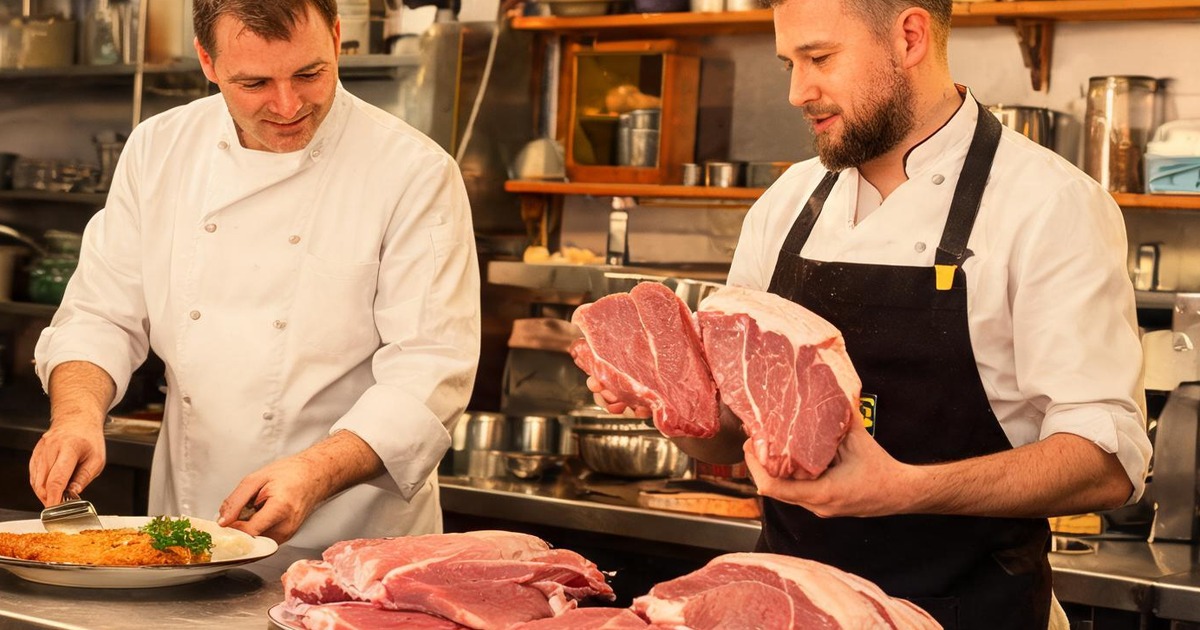
Butchers bet on Beratung (advice). The survey shows shoppers want to know which cut is for what: Kalbsschlögel for schnitzel, Schulter for ragout, Fricandeau for alternatives. The Nose-to-Tail trend is backed by 92.4% — not only ethics but price: less popular cuts are cheaper and tasty too.
Chefs add: regionality is also Semmelbrösel, Mehl and Erdäpfel. In Vienna’s school catering the same principle of nachhaltige Beschaffung (sustainable procurement) via ÖkoKauf already feeds 100,000 pupils with regional products. If the city can do it for schools, your schnitzel can be just as honest.
Checklist for expats: how to choose the right schnitzel
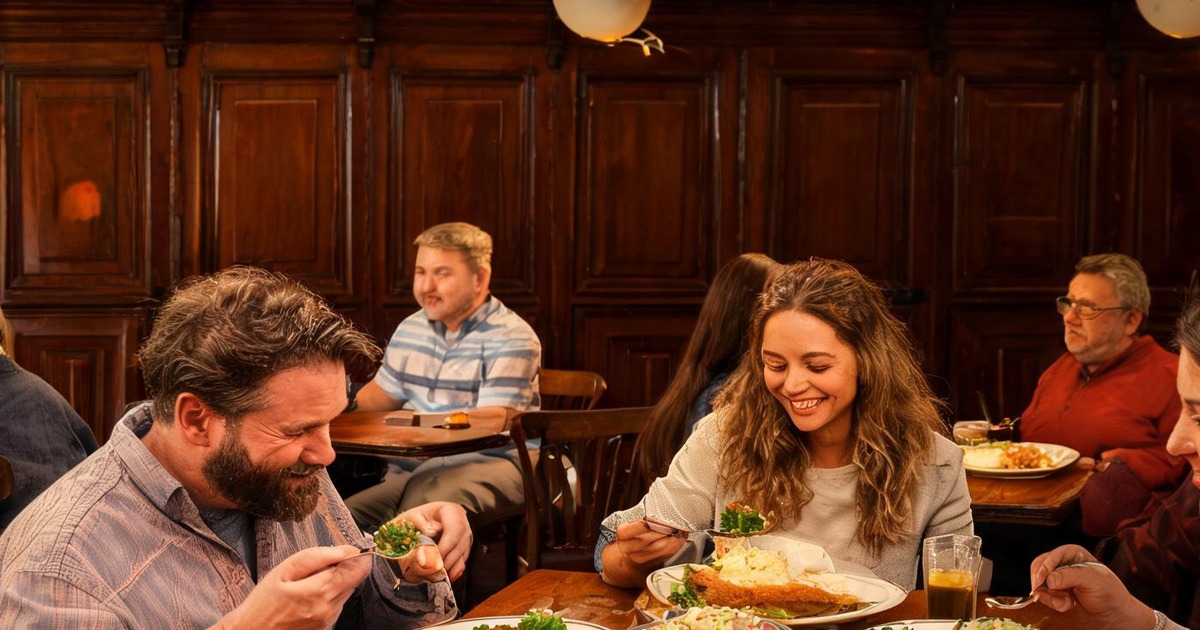
How to avoid mistakes and get a truly regional Wiener Schnitzel? Remember this 7-point checklist that works in any Bundesland (federal state).
1. Read the menu literally. Wiener Schnitzel = only veal. Schnitzel Wiener Art / vom Schwein / vom Huhn = pork/chicken. No detail — ask.
2. Look for the AMA seal. AMA-Gütesiegel or AMA GENUSS REGION on menu, board or website — minimum proof of regional origin.
3. Ask about origin. Phrase: “Stammt das Kalbfleisch aus Österreich?”
4. Check the breading. Real schnitzel is fried in a Pfanne (pan), not a deep fryer; breading is wavy, not soggy.
5. Judge the side. Regional places serve Erdäpfelsalat or Petersilerdäpfel, not just imported French fries.
6. Compare price. Regional veal schnitzel cannot cost 12 euros — that is pork price. 22–32 euros is realistic for Vienna in 2026.
7. Trust ratings but verify. TUI Ranking, Falstaff Voting and Gault&Millau help, but even at the leader ask about current supply.
Save this list on your phone — it saves money and disappointment. To understand Austrian daily life deeper, read about fines for newcomers in Austria and how heat changes everyday life.
Frequently Asked Questions
Must Wiener Schnitzel always be veal? Yes, in Austria and Germany the term is protected — only Kalbfleisch (veal) may be called Wiener Schnitzel under Lebensmittelbuch B 14. Everything else is Schnitzel Wiener Art. This is also listed as Traditional Food No. 169 by BML.
Why does the 2026 survey say “schnitzel — only regional”? Because 83.8% see schnitzel as the main symbol, but trust only traceable produce. The PENNY/marketagent poll showed 92.4% want full nose-to-tail use and transparency. Regional schnitzel answers both — taste and trust, as stressed by AMA via medianet.at.
How many restaurant schnitzels are truly from Austrian veal? Only about 20%, i.e. one in five. The rest is imported. AMA-Marketing reported this for Schnitzel Day 2026 — data via medianet.at. Hence look for AMA labels and ask staff.
Where to eat the best regional Wiener Schnitzel in Vienna? Per TUI Schnitzel Ranking 2026 it is Figlmüller Bäckerstraße (84.68 points), then Meissl & Schadn and Schnitzelwirt. Regionally — Glöckl Bräu (Graz) and Zwettler’s Wirtshaus (Salzburg). All state Austrian meat origin.
Conclusion: how to eat Wiener Schnitzel the Austrian way without paying for imported meat
The 2026 survey made it clear: for Austrians Wiener Schnitzel is not just fried meat but a regional quality mark. 83.8% call it the top dish, 92.4% demand honest nose-to-tail use, yet only 20% of veal schnitzels in gastronomy are actually Austrian. The gap between expectation and reality is your chance to choose consciously.
Remember the checklist: Wiener Schnitzel = only Kalb, look for AMA-Gütesiegel, ask “aus Österreich?”, check the wavy breading and price 22–32 euros. At home, buy Austrian Semmelbrösel and fry in Butterschmalz while swirling the pan. That is the taste protected by the Lebensmittelbuch since 1831 and confirmed daily in Viennese kitchens.
Want more honest guides on Austrian everyday life without overpaying? Subscribe to our newsletter — once a week we break down prices, products and life hacks for living in Austria.
Stay Up to Date with the Latest Austrian News
The week's top stories — news, guides, and insights about life in Austria. Every Sunday in your inbox.